was successfully added to your cart.

Cart

Tag

strangth training

Pure Motivation Blog w Logo

ECTOMORPH: Fast Matabolism & Resisting Weight Gain

By Body Type

Hope you had an amazing Family Day? If you live in Canada the 3rd Monday of February is a National Family Holiday every year and I love it because it forces us to stop and take time to block out everything else and remember about FAMILY.!

Coach Dimitri here, and every Tuesday I’m going to be sharing with you some training tips, nutrition hacks, and mental strategies that each body type should follow or work within to help each and every one of you get the most results with PURE Motivation Fitness and help you learn more about science, genetics and how our unique bodies work together and against us.

Let me ask you a question? Do you know of anyone that can eat all the time, eat high-calorie foods, even eat a lot and not exercise but still does not gain weight?

Do you know of anyone or any friends that don’t practice exercise regularly but when they do even if it’s for a month they automatically start to lose fat and gain muscle with little to no effort?

If so then Voila, you have met the 1st of 3 Body Types and I’m a prime example of a fit Ectomorph at 42 and have dedicated my life to helping men and women just like you learn more about their body types.

BODY TYPE = THE ECTOMORPH (HARD GAINER)
An ectomorph has a light bone structure, long limbs, is not thick from the side profile with a flat narrow chest.

These individuals often have a hard time building and gaining strength. Long-limbed and not particularly muscular ectomorphs can be ‘skinny fat’ meaning a low weight and/or small size with a high body fat percentage.

Ectomorphs resist weight gain because of a fast metabolism. They can overeat without gaining much weight. This body type has little to less observable body fat, is lightly muscled, and has a smaller more linear frame and joints.

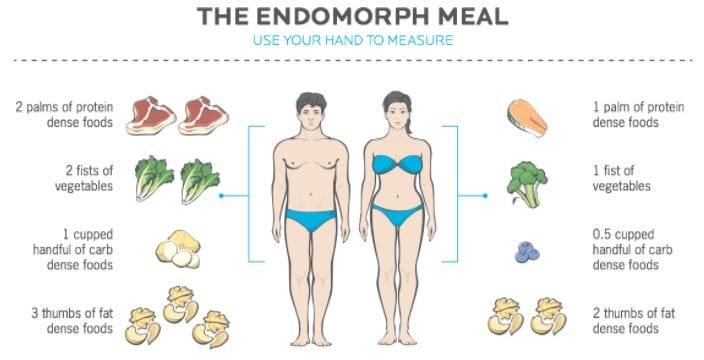
When training, focus on power and resistance to build strength. To maximize body composition (lean-mass gain, body-fat loss) as an ectomorph, eat good-quality fats with a moderate protein intake of 25 to 30 grams per meal (four meals per day if you have a pre-training minimal) along with good-quality carbohydrates.

On non-training/exercising days, do not skip the mid-morning snack: Breakfast is hearty enough but you will still need more fuel to carry you through. After you have your afternoon snack, you may want to ensure you have 1-2 smaller dinners to ensure you not too low in calories. Remember if your goal is to gain muscle you need to eat!

Ectomorphs tend to have overly efficient metabolisms coupled with natural-born endurance, speed, and agility. They do not store carbohydrates as fat as easily as others and have difficulty gaining weight. Due to their high heat and energy expenditure, Ecto’s often burn more calories than they consume and can very rapidly drop weight and body fat percentage.

Ectomorphs are encouraged to conserve energy by slowing down and learning strategies to relax, reduce worry and get more sleep. Cardio is often counterproductive if you’re trying to add weight or size and should be kept to a minimum as daily hyperactivity is often commonplace.

The Ectomorph must avoid over-training and should get in and out of the gym quickly, refuel with proper nutrition and allow ample time for recovery between workouts. Skipping meals is NOT an option and will result in rapid muscle loss.
We help Busy Business professionals & Stressed Parents, look better naked, regain their energy & improve sex drive in < than 90 days by teaching them to Eat & Exercise for their unique body-types without having to obsess about fitness, be stuck dieting & eat 2 dinners every night!

If you’re interested & ready to take action and get serious about your fitness & nutrition click the bottom below to schedule a complimentary Discovery Call so we can, together, plan your next 90 days of body-fat transformation success.

Eat Right Train Right for Your Bodytype eBook is Not Working Either

Signs You Are Over-Training & Adjustments Aimed For Recovery

By Workout

Coach D here again!

The number one question I am asked when approached by a new client is how many times a week do I need to train? Unfortunately, there isn’t a one-size-fits all answer. Honestly, it depends. It is hard to give an exact answer because several factors play a role: How intense is each workout? Are you warming up correctly? Are you following a nutrition plan? The thing we need to watch out for is over-training. While over-training can occur in a variety of different ways, it typically results from a combination of hormonal, neuroendocrine, and nutritional imbalances, secondary to heavy training & poor recovery.

The Signs of Over-training

Although it can produce positive outcomes, intense training completed too frequently without sufficient rest, can compromise a client’s muscular, endocrine, and immune systems, as well as psychological state. Signs and symptoms of over-training can be:

1. Underperformance
2. Extreme muscle soreness or stiffness during and in-between training sessions
3. Unintentional weight loss
4. Chronic fatigue
5. Swollen lymph nodes
6. Depression and/or anxiety
7. Sleep disturbances

When a client’s Over-trained

If over-training is suspected, a few simple changes can help promote recovery while minimizing stress. To assist in the recovery from over-training, we may suggest dietary modifications, as well as support the need for rest and off days during training.

1.  Dietary Modifications: Consuming a clean, well-balanced diet rich in anti-inflammatory Omega-3s, and antioxidants can help support recovery. We encourage our clients to add more fruits, vegetables, & some whole grains, to help manage inflammation

2. Rest: Five weeks of rest, which should include off and light training days, supports sustainable recovery. I don’t mean take 5 weeks off but drop the intensity, decrease the load your lifting or increasing rest times in between sets is something to note. Although clients will recover at their own rate depending on the severity at which they’ve over trained, steady and constant recovery should not be rushed.
I understand that we all have goals, and we are often willing to do most anything to reach those goals, but when we do not listen to our bodies that is when we can do real damage, Training 6 or 7 days in a row, has been shown to do more harm than good especially if it goes on for several weeks at a time.

I train for size and strength ( yes I know isn’t it too hard on your body to pound heavy weights for years?) Yes, but I do perform self Myofacial release exercises with Foam rollers, lacrosse balls and Thera massage guns. But you will start to break down muscle, and with no recovery days, you will never give your body a chance to build and repair. Maintaining a proper exercise schedule along with a good diet, will keep you on a path to your goals.

My suggestion for different types of goals and body types.

Ectomorph: Trying to gain size: 3-4 days per week max training and it should be 1-2 days on with 1 day off then repeating
Mesomorph: Trying to lose weight and tone: 4-5x week is sufficient and due to the fact that your not lifting with such high weight as a weight gainer you can do 2-4 days straight then add a rest day.
Endomorph: Trying to lose 20+ lbs & Improve Body Composition: I would suggest you move your body at min 5-6x week. The best combo is to do 3x week on then take one day off and repeat.

Remember we tell our kids that they need min 30-45min of exercise daily…what about us?

Contact us today by clicking HERE if you’d like to learn more about achieving your fitness and nutrition goals or if you feel you need any help setting up an In-Home Workout program or online assistance.

Pure Motivation Fitness 5 min friday Tips

Questions About Strength Training & Nutitrion: 5 Minute Friday Q & A

By Workout

Five Minute Friday Q & A

Hi guys happy Friday and I hope you are all excited to enjoy another beautiful weekend without any snow!!!

First & foremost thanks to everyone that sends us your most important questions that need answering and Id like to ask again:
*Send me 2-3 questions that you have and we can give you a shout out too*
Today’s post is about the following 3 questions:

1) What can I do at home to get stronger if I don’t have heavy equipment?
2) What should I eat after every exercise session?
3) What can we eat if we’re hungry late at night at 9 or 10 pm?

It’s important to know that you can always build strength even if you don’t have heavy dumbbells by training smart. Pre exhausting is the best method and can be done for any muscle group.

Consuming a protein shake or having a meal that’s easily digestible post-workout is the best for optimal absorption and recovery, and will assist with fat loss and muscle building

And when it comes to eating late at night remember…every meal needs a protein carb and fat regardless of the time, the only difference is that late at night you can replace the starchy carb or fruit carb with veggies to ensure your not spiking your blood sugar.

Please help me spread the positive word and vibes of health and fitness and sharing this with anyone you feel this post will help! Comment below and let me know if you have any questions that we can answer for you.

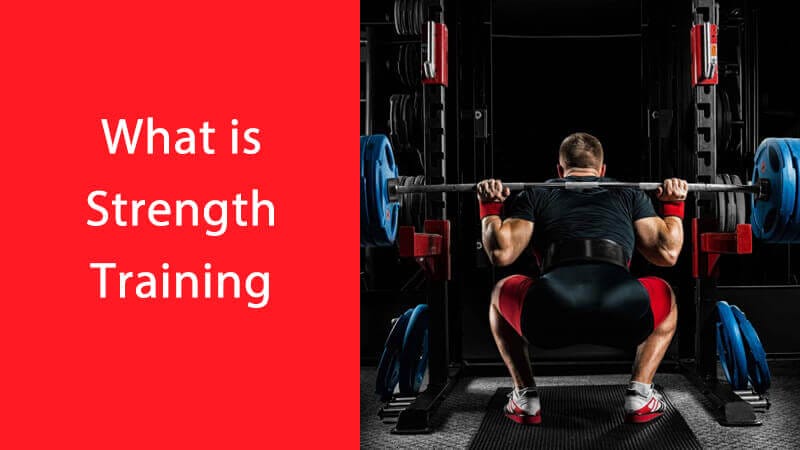
What is Strength Training

What is Strength Training? Why Is It Important?

By Workout

Today I wanted to touch on a type of training that, pound for pound is probably the most effective type of exercise. For many reasons that we will get to below!

Now, let’s start off. What is strength training?

Strength training is using muscular force against resistance. Muscles adapt to any type of resistance.

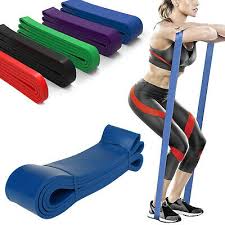
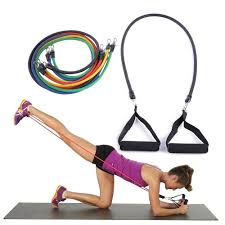
The resistance can be a heavy object, one’s own body weight, elastic resistance from bands, or other types of machine resistance from pulleys or hydraulics. The object could be a kettlebell, free weight, another person — anything that has mass.

Different types of equipment that can provide resistance :

Barbells

Dumbbells

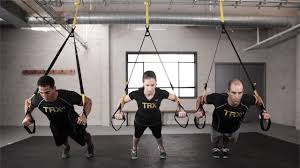
TRX suspension training

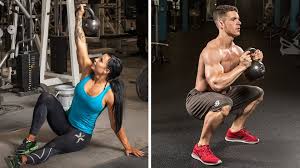
Kettlebells

Sandbags

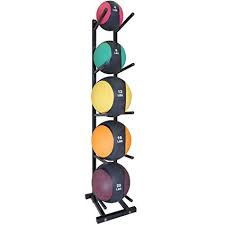
Medicine Balls

Resistance/Rubber Bands

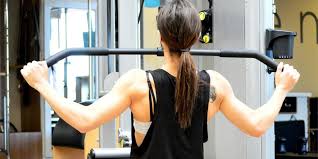
Resistance Machines

Calisthenics

Why is strength training so important?

-improving the ability to coordinate your moving parts

-improving how quickly you can generate force to move against the resistance

-building muscle tissue

-strengthening connective tissues such as tendons

-Improves glucose tolerance and insulin sensitivity

-Maintains and enhances muscle mass

-Maintains and enhances metabolic rate

-Improves bone density

-Decrease chance of injury

-Improves ability to engage in daily activities

-Decreases bad cholesterol levels

-Improves balance

-Improves self-esteem

-Enhances strength and endurance

-Enhances speed, power and agility

-Improves body composition

-Decreases blood pressure

-Improves aerobic capacity

When muscle metabolism is altered, it can contribute to the development of many chronic diseases. Maintaining muscle mass with strength training can help to prevent some of the most common health conditions, including obesity and diabetes.

Who can strength train?

In the past, strength training was primarily used by athletes to enhance performance and/or increase muscle size.

However, strength training is now recognized as critical to everyone’s health and fitness — regardless of gender, age, or ability. Leading health organizations, including the ACSM (American Council of Sport and Medicine) recommend regular strength training as part of one’s fitness regimen.

With a properly constructed workout program that is tailored to individual goals and skills, anyone can strength train: men, women, children, adolescents, older people and people with disabilities or movement limitations.

According to  the Journal of Clinical Interventions in Aging:

“Human aging results in a variety of changes to skeletal muscle. Sarcopenia is the age-associated loss of muscle mass and is one of the main contributors to musculoskeletal impairments in the elderly. Previous research has demonstrated that resistance training can attenuate skeletal muscle function deficits in older adults. Resistance training offers numerous benefits beyond improvements in muscle strength alone for older individuals. Several reports have demonstrated improvements in balance, functional mobility, stability limits, and fall prevention.”

So what should i do?

Firstly, it depends on movement quality. An assessment screen of an individuals movement is essential. Factors can be age, occupation, lifestyle and fitness/movement experience.

Ensure to get a professional to screen your movement quality and then provide the proper demand to meet your bodies capacity.

What is your Goal?

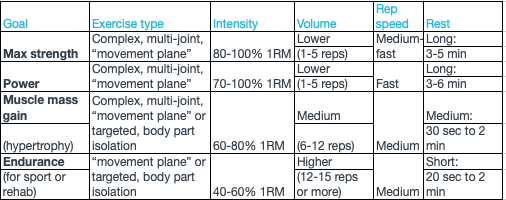
For strength and power, focus on complex, multi-joint, “movement plane” exercises such as squats, deadlifts, pull ups, rows, weighted jumps, etc. You can also use “functional” type exercises such as sandbag carries, sledgehammer swings, and tire flips.

**Volume, Intensity, Frequency and Type of exercises all are crucial

  • For muscle mass gain, you can use strength and power-type exercises (with medium loads) as well as targeted body part isolation exercises, such as biceps curls or triceps extensions.
  • For endurance (for sport or rehab), you can use strength and power-type exercises (with lighter loads) as well as targeted body part isolation exercises.
  • Many rehab-type exercises involve building endurance in specific body parts using very small movements (such as arm raises) with very light loads.

**1RM = 1 Repetition Maximum, maximum amount of weight that a person can possibly lift for one repetition

*sources from Precision Nutrition and the Journal of Clinical Aging

Stay tuned for more on strength training and how to make your workouts harder next this week!

Until next time,

Daniel

Interested in learning more about our programs? 

Let’s connect!

Book a phone call, tour or consultation in person.

 Check out my calendar below!

https://go.oncehub.com/DanielCecchino

*


Unsubscribe |Pure Motivation Fitness Studio | 1410 Major Mackenzie Drive Unit C1 , Vaughan, Ontario, L6A 4H6