Hi guys welcome to another edition of 5 min Friday here are today’s 3 questions and my answers to them.
1. is it healthy to feel sore two days after a workout?
2. if I want to lose weight should I cut out carbs from all my meals?
3. is it better to count calories or macronutrients
be sure to dm or email us your questions so we can answer them during our Friday segments!
Five Minute Friday Q & A
Can You Actually Tone Your Muscles?
Are you struggling to TONE your muscles and get leaner?
Do you find yourself setting goals or asking your coach how you can become more “Toned”? .
Well you You CANT tone a Muscle ! . It’s not possible! You can only increase the size Of them or let them fade away, lose elasticity and atrophy ( shrink or become smaller)!
What you can do to preserve muscles and keep them Anabolic ( Greek word for growth or increase size) is:
A- lift weights 🏋️ regularly 3min -4 x week
B- Fuel them well each and every meal or apprx every 3-4h
C- Provide your body with 0.8g ( min for active individuals) per pound of bodyweight to ensure your not deficient in protein
D- Try to choose Grass fed, organic or wild range proteins , ( white meat chicken 🐓, turkey 🦃, fish 🐟 ) have less saturated fat then red meat 🥩. Choose beans/legumes, organic dairy products geek yogurt, cheeses protein powders, nuts and seeds!
E- Aim for 7-8h of sleep 💤 if possible. Muscles can’t get toned, they are already built lean, strong and very bundled together.
Fat is a totally different tissue, like oil and water, so stop making yourself get caught in the trap of thinking you want to tone your body when in reality what you SHOULD be saying is… you want to increase your 💪🏻
Muscles, Grow your Muscles and make them Stronger! . Love to hear your thoughts or comments! And if your stuck or struggling to find your motivation to get active during this covid 19 lockdown visit www.purefit.ca and register for your free 15 Day kids and adult training trial!!! Guaranteed you will love it!
Debunking Nutrition Myths
In this short video Coach, Dimitri will tackle questions brought to him by his members at the studio, online and at home! Todays 5 Questions are:
1 – Should I have carbs before or after a workout?
2- If I only have $100 to spend whats the best or most important exercise equipment to buy?
3- I’m trying not to eat RED Meat what other sources of protein can I eat?
4- I usually do a lot of squats & deadlifts when I used to train at PMF but now I don’t have much equipment what do you suggest I use now while I don’t have weights?
5 -My general goal is to stay healthy while being at home. What are some of the tips I can do to keep healthy while at home?
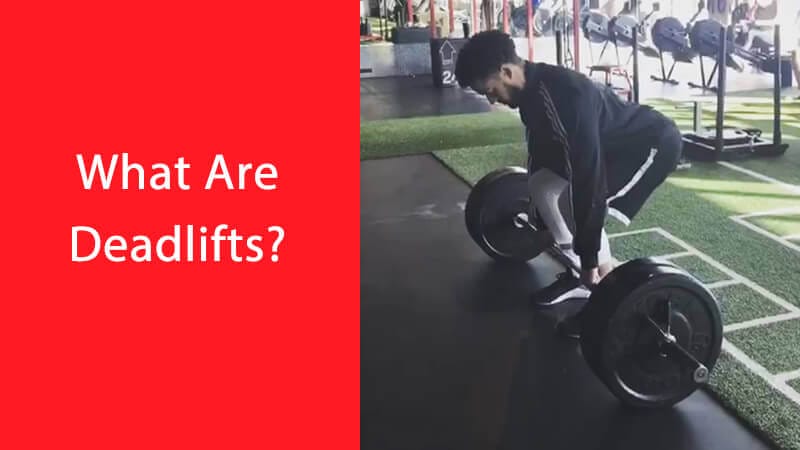
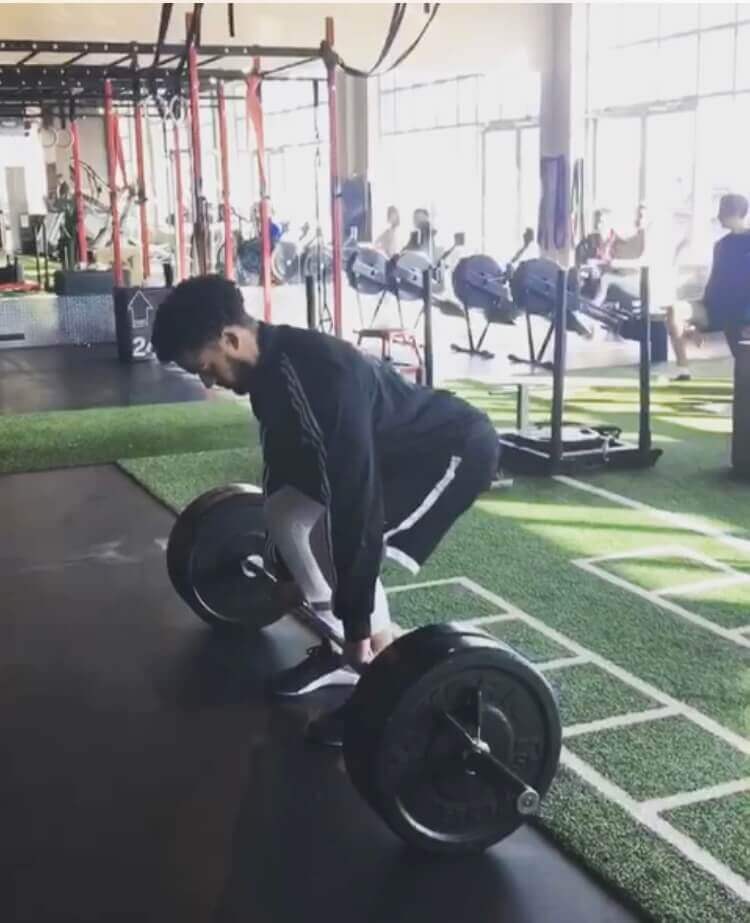
“Deadlifts are a great exercise that anyone can do, regardless of how old you are, how big, or your fitness level. It is a great tool to teach overall body awareness, while maintaining stabilization in your spine. It can help increase full body strength, and muscle mass. Though assessment of proper technique should be taken before intensity and/or load is increased, a deadlift targets all the muscles responsible for your posture. It can help with improving and strengthening your core abdominals, postural muscles, as well as your posterior chain.
Starting with a weight that is safe and appropriate to your fitness level, can allow for a more focused approach to technique and form, which can help reduce injury and continue strength progressions. With proper technique and consistent improvement, load can be increased. There are many variations of deadlifts, and depending on limiting factors, such as health capabilities, the correct measures and exercise regressions should be considered for each individual’s exercise program and routine.”
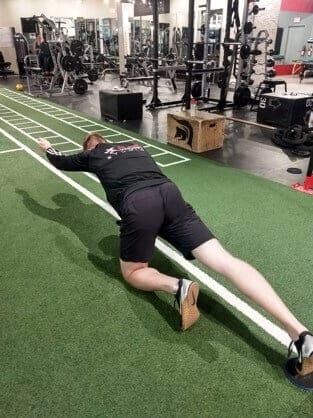
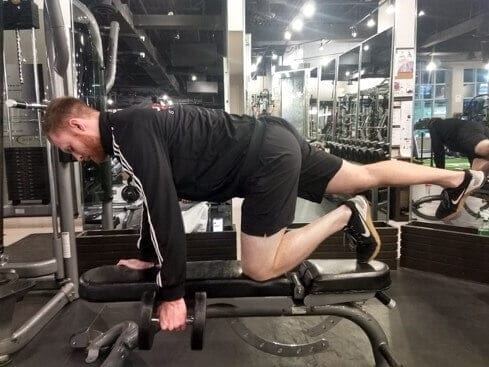
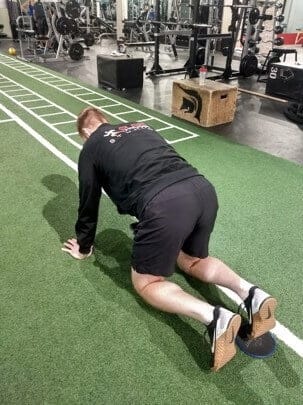
The traditional bird dog is seen as a staple in many strength and conditioning programs for its ability to help create stability through the trunk and connecting the upper and lower limbs to one another. The most common mistake that I see is an overextended lumbar spine. To combat this, try using a glider on the back foot in order to get an adequate contraction of the glutes while minimizing extension of the lower back. This will help you keep a neutral spine throughout the movement.
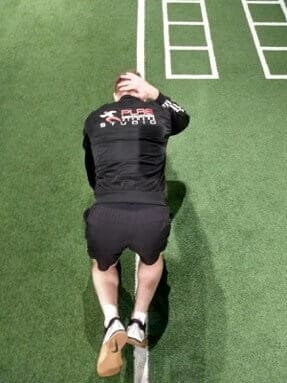
Another variation that can be used that also adds a little bit of rotation at both the arm and the hip can be done by placing the hand on the back of the head while driving the elbow up towards the ceiling, and bringing the knee out to the side as if you were also lifting it towards the ceiling. Although slightly more advanced because it requires a bit more mobility in the shoulder and the hip, i find it helps to avoid some of that lumbar extension i mentioned previously.
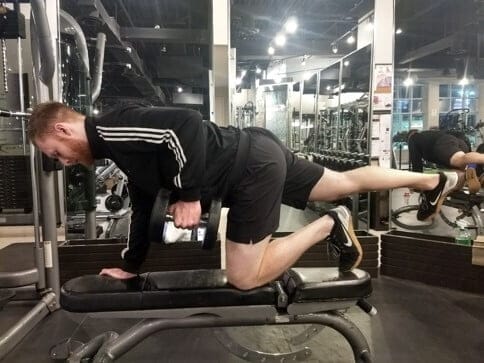
A third variation to spice it up a little bit more is the bird dog row. This adds more of a rotational component as you fight to keep your body stable as the dumbbell pulls you to one side.
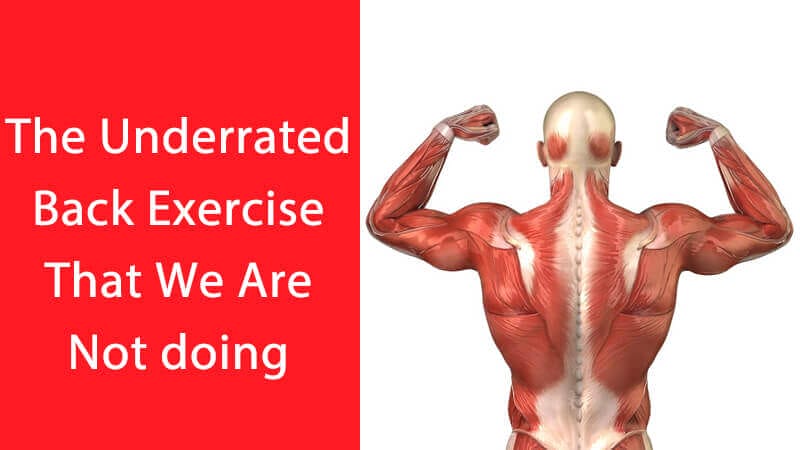
These days many of us have fallen in love with pushing exercises in our workouts. Exercises that train the chest, triceps, and shoulders, such as bench press and shoulder presses. However, without balancing it out with pulling exercises, it can lead to muscle imbalances.
Even with general pull exercises such as rows and pulldowns, the muscles in the upper back, lower traps, rear deltoids, and rotator cuffs are generally not targeted as much as they should be. The facepull is an excellent exercise to put in at the end of a pull workout to cover your bases.
The facepull is a simple, yet underrated pull exercise that is great for improving your posture, upper body imbalances, and to look better aesthetically. This is an exercise that most people overlook and generally don’t do enough.
The facepull can be done with a cable machine, or simply with a band. Use a rope attachment as opposed to bars as it will limit the rotation which is an important part of the exercise. Set the height high and so you have to pull the ropes down towards you. Come into a squared athletic stance without leaning backwards, and hold the end of the ropes with an underhand grip with the thumbs pointed backwards, this will allow for more external rotation versus other grips and heights. When pulling the rope, pull it down and towards the face, right towards the nose. Pull with the hands and not the elbows so that the hands reach back first, this is to ensure external rotation of the shoulders. Open up the chest and squeeze close the back.
Add this exercise to the end of your pull day workouts and try it out!
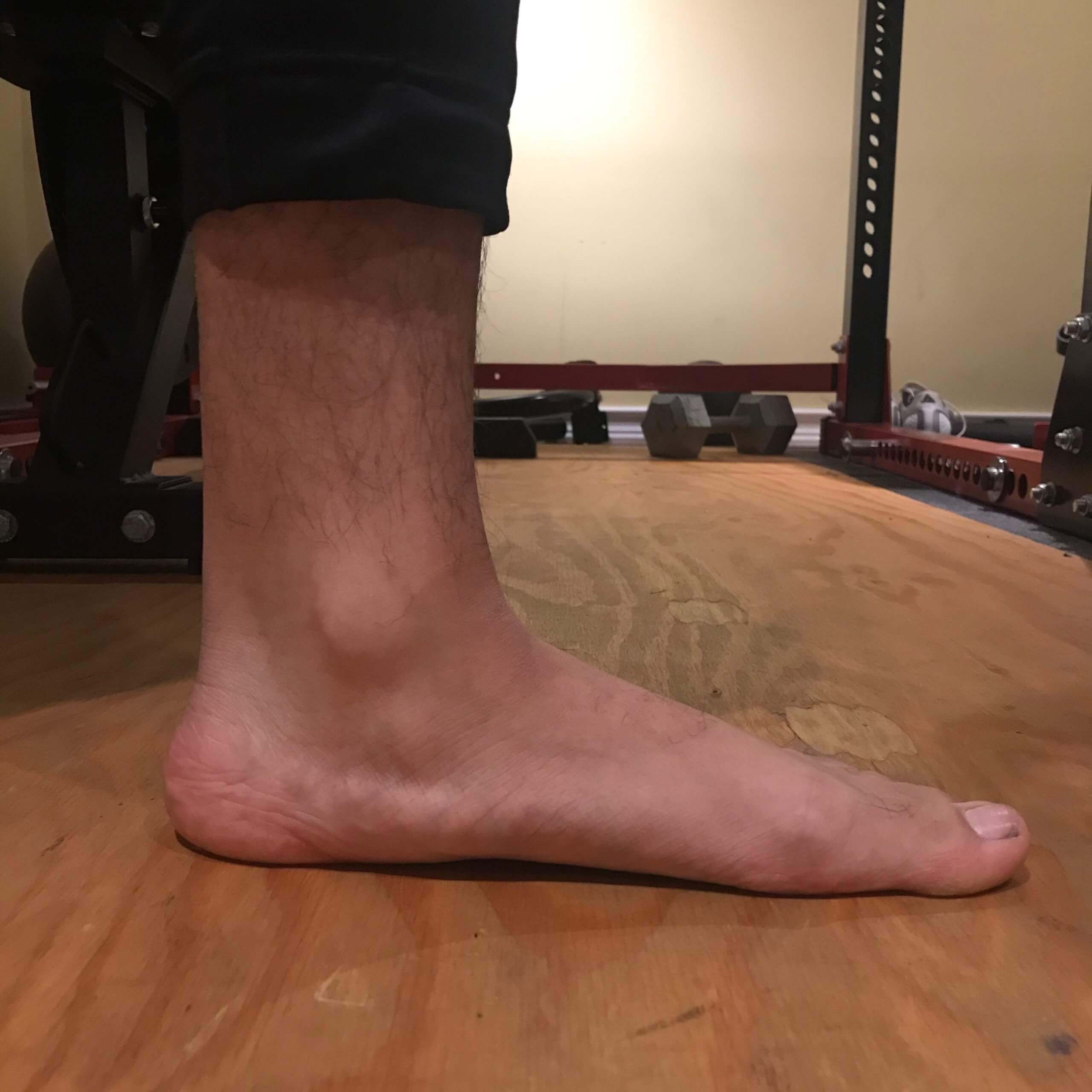
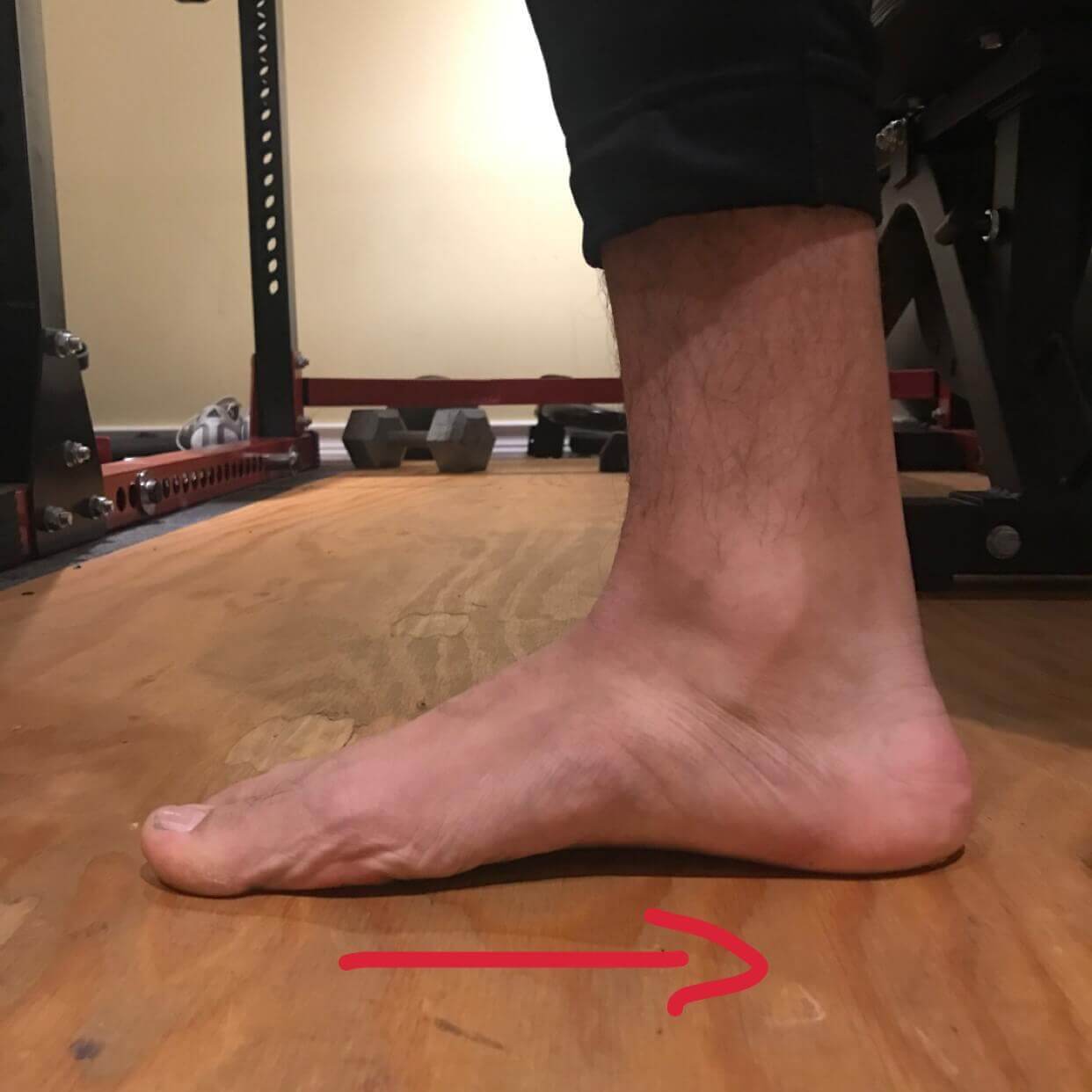
The feet and toes play an important role in making sure that your ankles, knees and hips fall in alignment. When working out, walking and going up stairs, there is a tendency for people to roll to the outside of their feet and lift their toes.
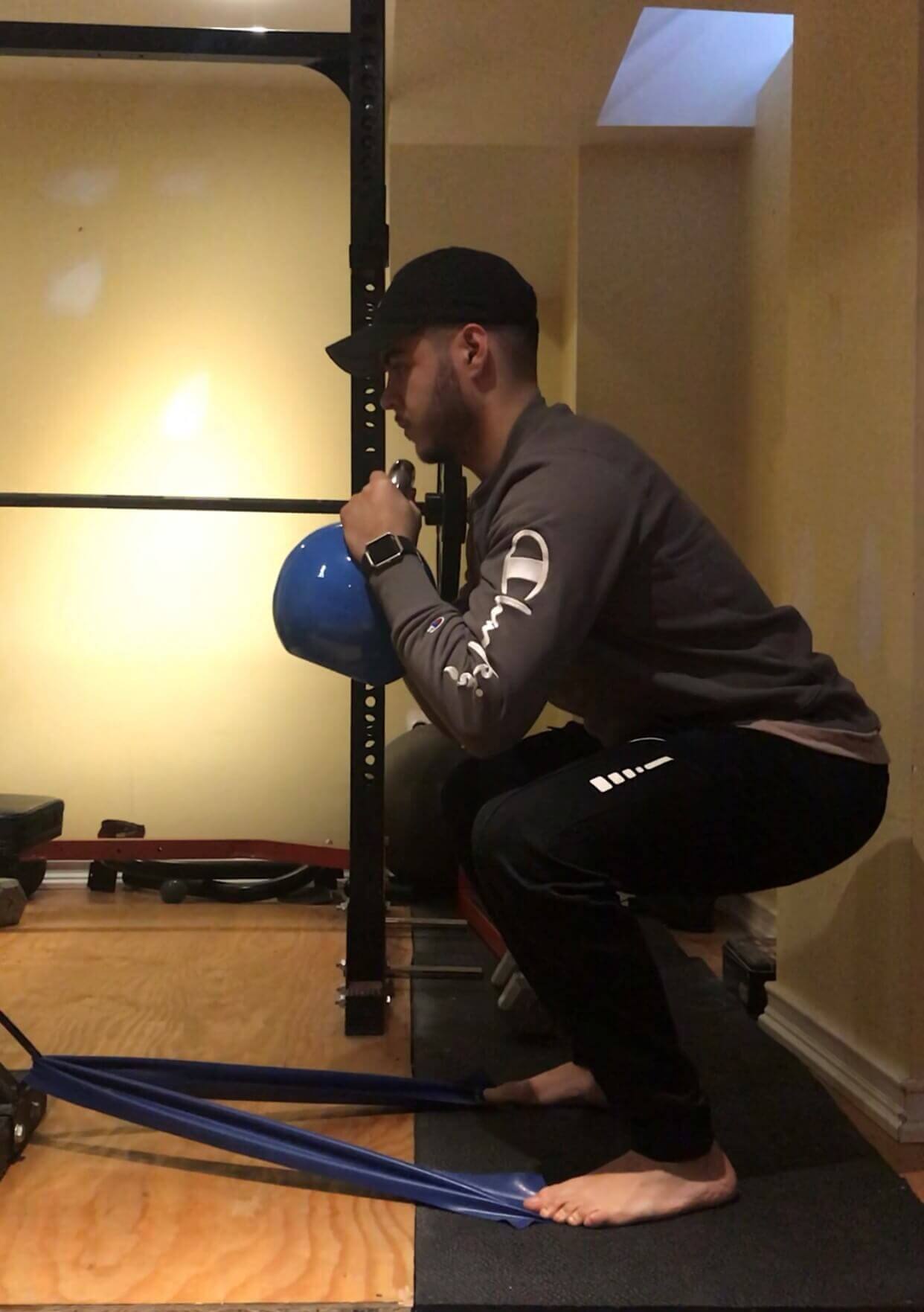
This results in a collapse of the knees and a shifting of the hips from side to side. A way to test for your big toes activation is by putting a band under your big toe and making sure to keep the band pinned down when performing squats.
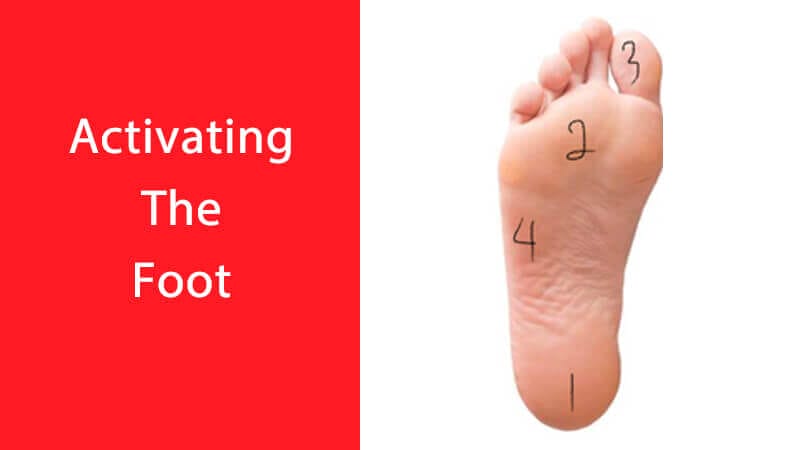
There are 4 points of contact that you should have on your feet when standing, squatting, lunging and deadlifting; your weight dispersed evenly across your (1) heel, (2) forefoot , (3) big toe and (4) a little bit of weight on the outside of your foot.
When properly driving the big toe into the ground, it will become easier to engage the glutes and stabilize the knees and hips.
The feet and glutes work together to make sure that your lower half stay aligned. To properly activate your big toe, drive it into the ground, do not let the ball of your foot come off the ground. This will cause the foot to roll to the outside. Instead learn to activate your arch and lower leg to lift your arch upward and drag your forefoot and big toe back toward the heel maintaining contact with the ground.
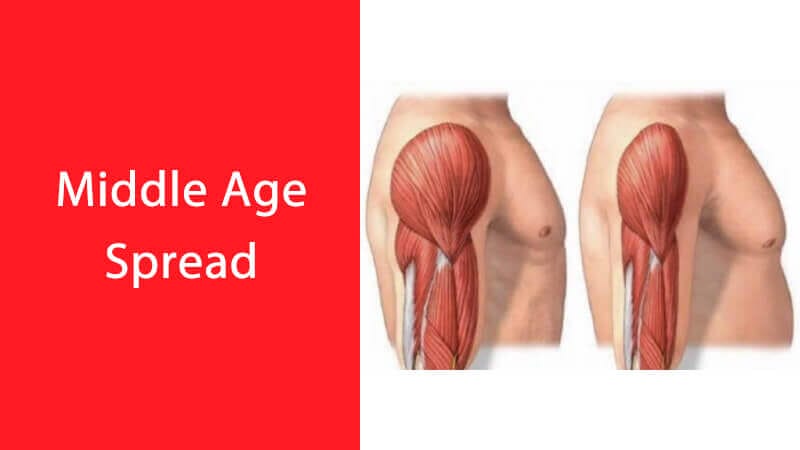
Many women, especially as approaching middle age may have heard the phrase ‘middle age spread’. Well unfortunately there is some truth and science to back the phenomena.
As we age there is a natural loss of muscle mass, about 1/2lb yearly after the age of 30 and up to 1lb yearly after the age of 50. That alone will start to decrease metabolism, but if the wasn’t enough as women approach and enter menopause they experience reduced estrogen levels, and lower quality of sleep. Add these three culprits together and its a recipe for a slower metabolism, increased body fat, particularly abdominal fat, and hence ‘the middle age spread’. This will occur if you maintain your lifestyle and don’t make some changes accordingly to try to counteract the reduction in metabolism.
This can be done by three somewhat easy ways, although not always easy to execute, you need to to try harder than when you were younger, sorry ladies. Firstly, eat less, this doesn’t mean starvation or fad diets, you need to check in with your portions, you are eating for a lower number of metabolic calories needed through the day so adjustments need to be made, and ensure you are getting quality macronutrients, complex carbs, proteins and healthy fats. Also watch the sugar, alcohol, and fat intake, these bad boys pack a large calorie punch and not reducing these will derail your efforts. Secondly, move more, easy right? If you don’t strength train, start, if you do, add some more. Just increase your calorie expenditure through both aerobic and anaerobic exercise, from what you were doing before. Lastly, focus on improving quality of sleep, lack of or broken sleep causes weight gain. The increased exercise and cleaner diet should help, and adding relaxation therapies like yoga and meditation have been shown to improve sleep. If needed you might want to try natural supplements like magnesium that may help somewhat.
So yes ‘middle age spread’ is real but can be counteracted with some changes to your lifestyle; eat less, move more, sleep well! These changes will be beneficial for your overall health as you age, reducing risk of heart disease, type 2 diabetes, and some cancers.
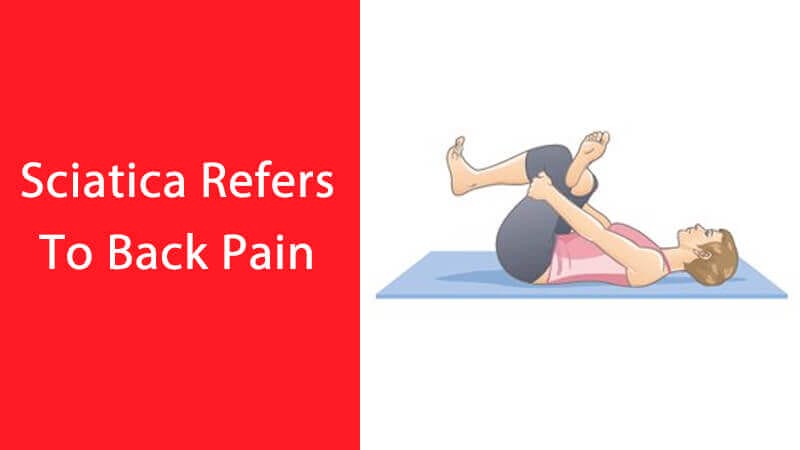
Sciatica refers to back pain caused by a problem with the sciatic nerve. This is a large nerve that runs from the lower back down the back of each leg. When something injures or puts pressure on the sciatic nerve, it can cause pain in the lower back that spreads to the hip, buttocks, and leg. There are steps you can take at home to ease the pain of sciatica. A heating pad or ice pack may be especially helpful. Apply the heat or ice for about 20 minutes every two hours. While sciatica is healing, try to remain active. Motion can actually help reduce inflammation and pain. Depending on your medical condition, certain exercises may not be recommended.
Try this: Reclined pidgeon pose will help improve flexibility of the hip and lower back which can give relief to your symptoms. Try going in and out of the stretch like you would an exercise. Try for 3 sets of 10 reps per leg a couple times a day.