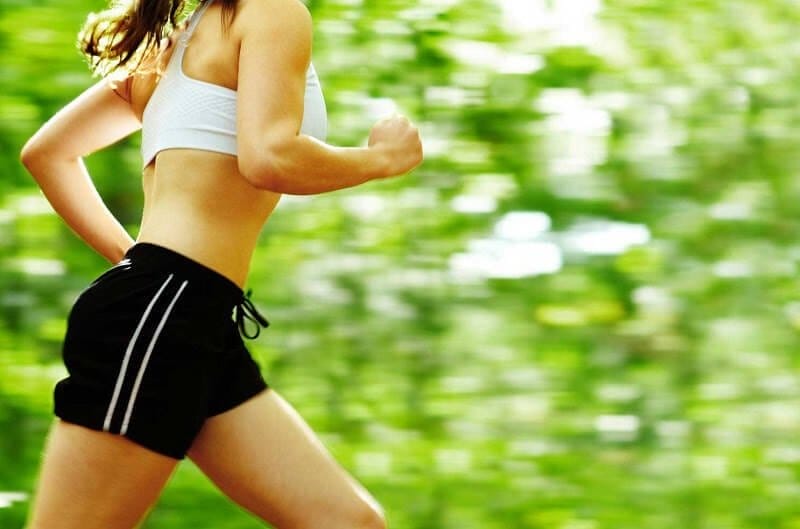
Every season has its challenges when it comes to your workout plans, but summertime is unique in that the combination of heat and humidity provides a unique set of circumstances that you will need to overcome. Here are some tips for you to ensure you don’t lose the momentum you’ve gained over the past few months in reaching your health and fitness goals.
1. Avoid Caffeine. I know that sounds strange, but think about it for a moment. Caffeine is a diuretic that forces water out of your body. That is the last thing you need when the weather outside is doing the same thing to you. If you have trouble completely cutting it out of your daily routine, make sure you wait for several hours after you work out to ensure you do not become dehydrated.
2. Increase your water intake. This should be a no-brainer. The heat and humidity of summer signals your body to lose more water per hour than any other season. Drink plenty of water before, during and after you work out to decrease the possibility of dehydration and any ill effects from extreme heat.
3. Take breaks. It is quite likely that you will need to take more breaks for you to keep performing at your best. Don’t overdo it.
4. Wear summer-appropriate workout clothes. Find clothes that will wick the sweat away from your body to allow it to evaporate quickly.
5. Either hit the gym or work out early or late. A mid-day lunch break jog should be reallocated to a different time of day. If you’re partial to exercising outside, take into account the daily temperatures. Working out earlier in the morning or later at night should be your new go-to in order to avoid the hottest parts of the day. If you’re able, moving your workouts indoors may provide the best of both worlds. You can stick to whatever schedule you like and you’ll also be held accountable for your fitness routines.
Summer doesn’t have to mean a hiatus for your workout routine. Take these summer workout tips into account to keep up your progress toward your goals!
Who is Pure Motivation Fitness?
We help busy business professionals & stressed moms & dads look better naked, regain their work-life-family balance & improve sex drive in less than 90 days.
We teach you to eat & exercise for your unique body-type.
Take charge of your fitness & nutrition today. Click the BUTTON BELOW to schedule a complimentary Discovery Call and together we will plan your 90-day of body transformation.
Hi guys welcome to another edition of 5 min Friday here are today’s 3 questions and my answers to them.
1. is it healthy to feel sore two days after a workout?
2. if I want to lose weight should I cut out carbs from all my meals?
3. is it better to count calories or macronutrients
be sure to dm or email us your questions so we can answer them during our Friday segments!
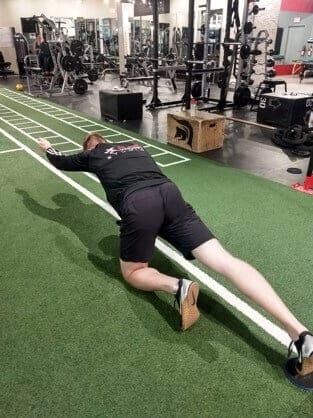
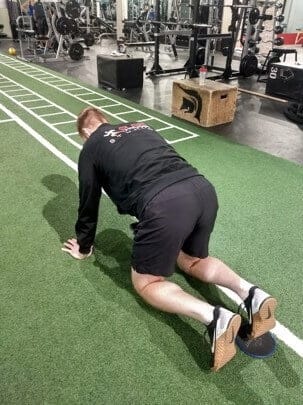
The traditional bird dog is seen as a staple in many strength and conditioning programs for its ability to help create stability through the trunk and connecting the upper and lower limbs to one another. The most common mistake that I see is an overextended lumbar spine. To combat this, try using a glider on the back foot in order to get an adequate contraction of the glutes while minimizing extension of the lower back. This will help you keep a neutral spine throughout the movement.
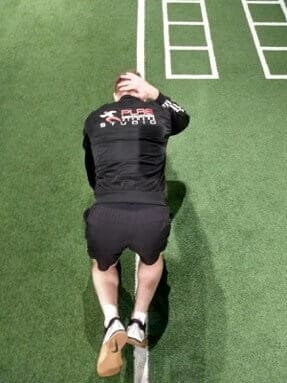
Another variation that can be used that also adds a little bit of rotation at both the arm and the hip can be done by placing the hand on the back of the head while driving the elbow up towards the ceiling, and bringing the knee out to the side as if you were also lifting it towards the ceiling. Although slightly more advanced because it requires a bit more mobility in the shoulder and the hip, i find it helps to avoid some of that lumbar extension i mentioned previously.
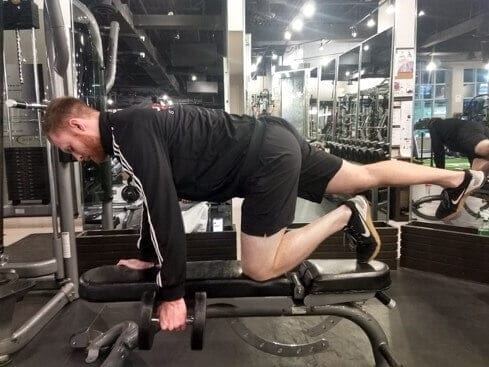
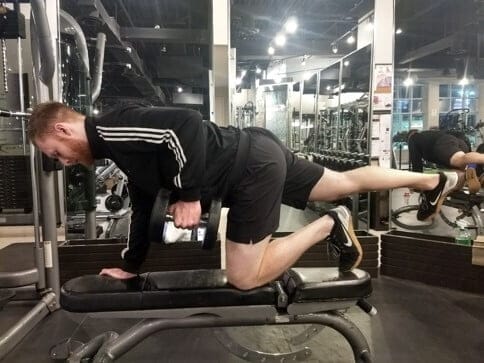
A third variation to spice it up a little bit more is the bird dog row. This adds more of a rotational component as you fight to keep your body stable as the dumbbell pulls you to one side.
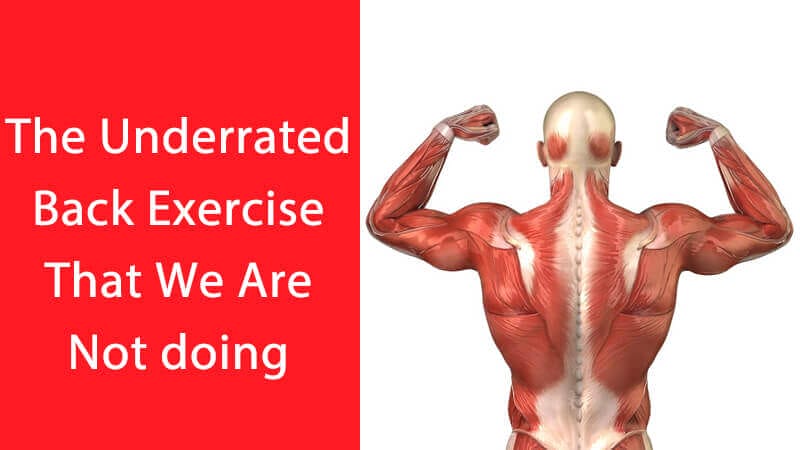
These days many of us have fallen in love with pushing exercises in our workouts. Exercises that train the chest, triceps, and shoulders, such as bench press and shoulder presses. However, without balancing it out with pulling exercises, it can lead to muscle imbalances.
Even with general pull exercises such as rows and pulldowns, the muscles in the upper back, lower traps, rear deltoids, and rotator cuffs are generally not targeted as much as they should be. The facepull is an excellent exercise to put in at the end of a pull workout to cover your bases.
The facepull is a simple, yet underrated pull exercise that is great for improving your posture, upper body imbalances, and to look better aesthetically. This is an exercise that most people overlook and generally don’t do enough.
The facepull can be done with a cable machine, or simply with a band. Use a rope attachment as opposed to bars as it will limit the rotation which is an important part of the exercise. Set the height high and so you have to pull the ropes down towards you. Come into a squared athletic stance without leaning backwards, and hold the end of the ropes with an underhand grip with the thumbs pointed backwards, this will allow for more external rotation versus other grips and heights. When pulling the rope, pull it down and towards the face, right towards the nose. Pull with the hands and not the elbows so that the hands reach back first, this is to ensure external rotation of the shoulders. Open up the chest and squeeze close the back.
Add this exercise to the end of your pull day workouts and try it out!
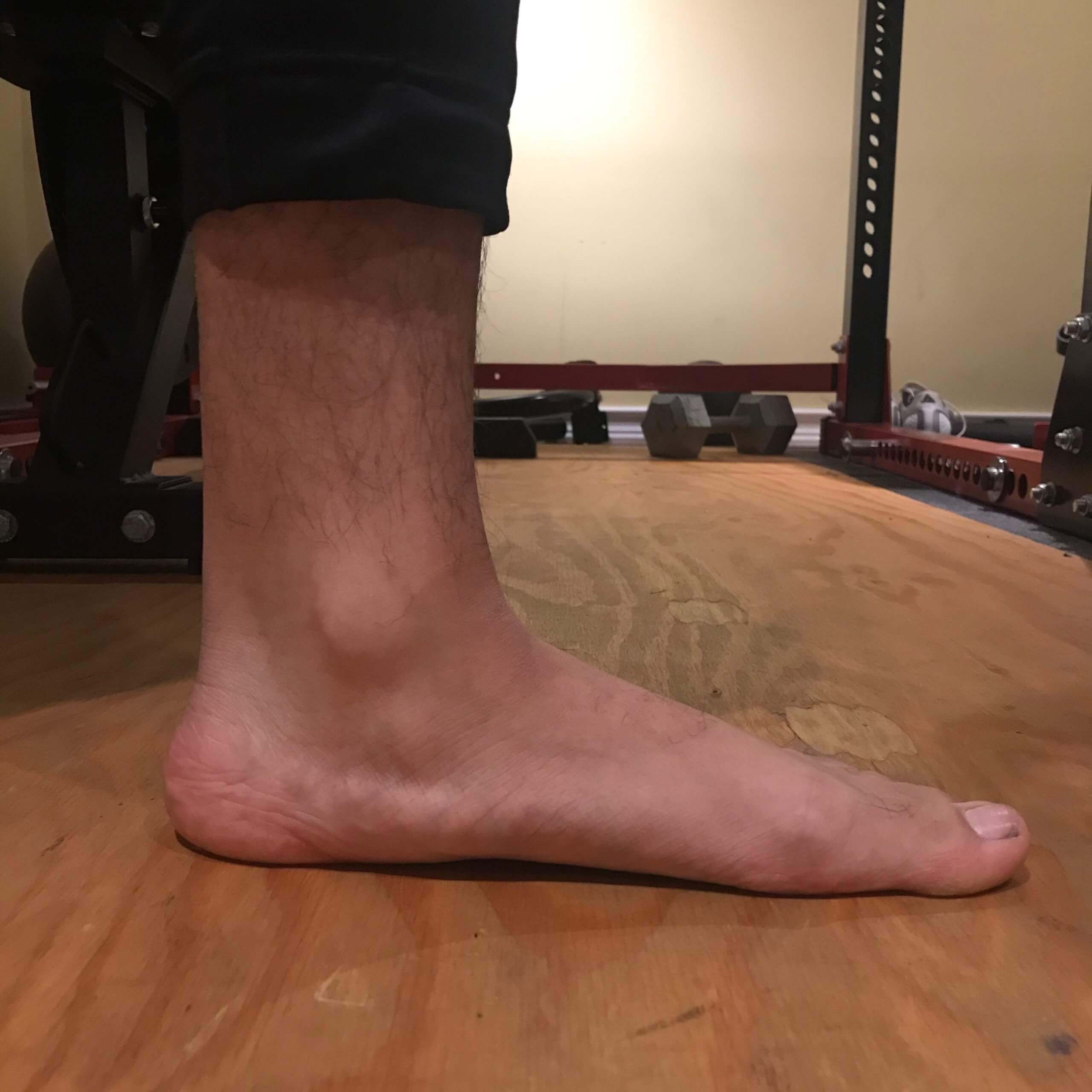
The feet and toes play an important role in making sure that your ankles, knees and hips fall in alignment. When working out, walking and going up stairs, there is a tendency for people to roll to the outside of their feet and lift their toes.
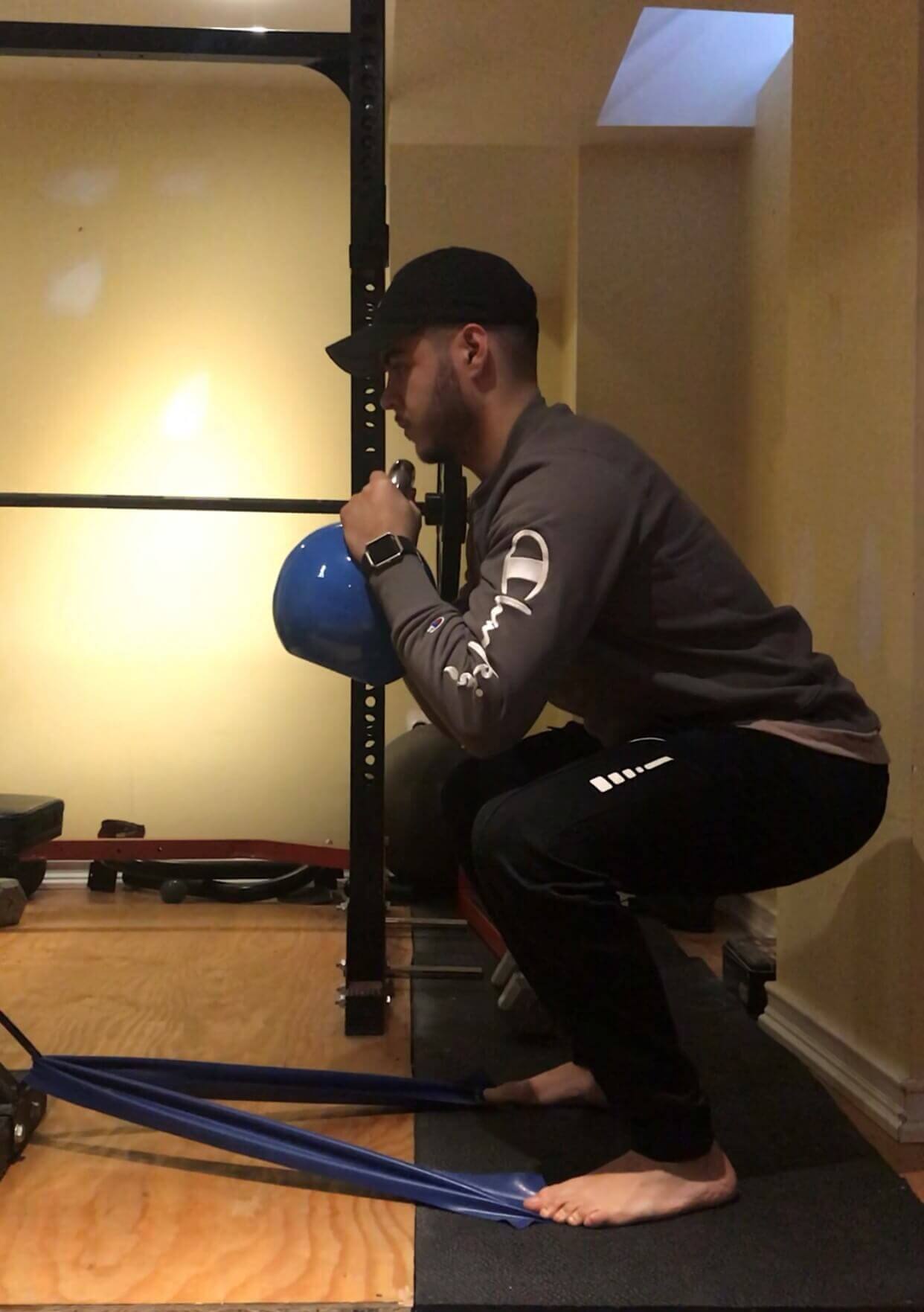
This results in a collapse of the knees and a shifting of the hips from side to side. A way to test for your big toes activation is by putting a band under your big toe and making sure to keep the band pinned down when performing squats.
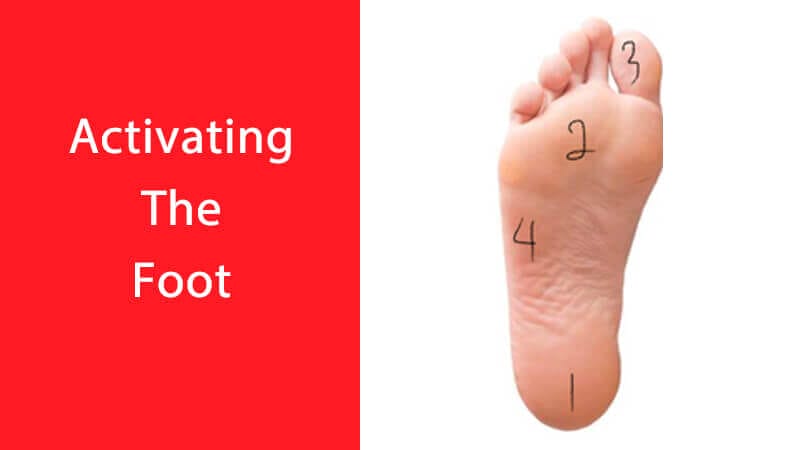
There are 4 points of contact that you should have on your feet when standing, squatting, lunging and deadlifting; your weight dispersed evenly across your (1) heel, (2) forefoot , (3) big toe and (4) a little bit of weight on the outside of your foot.
When properly driving the big toe into the ground, it will become easier to engage the glutes and stabilize the knees and hips.
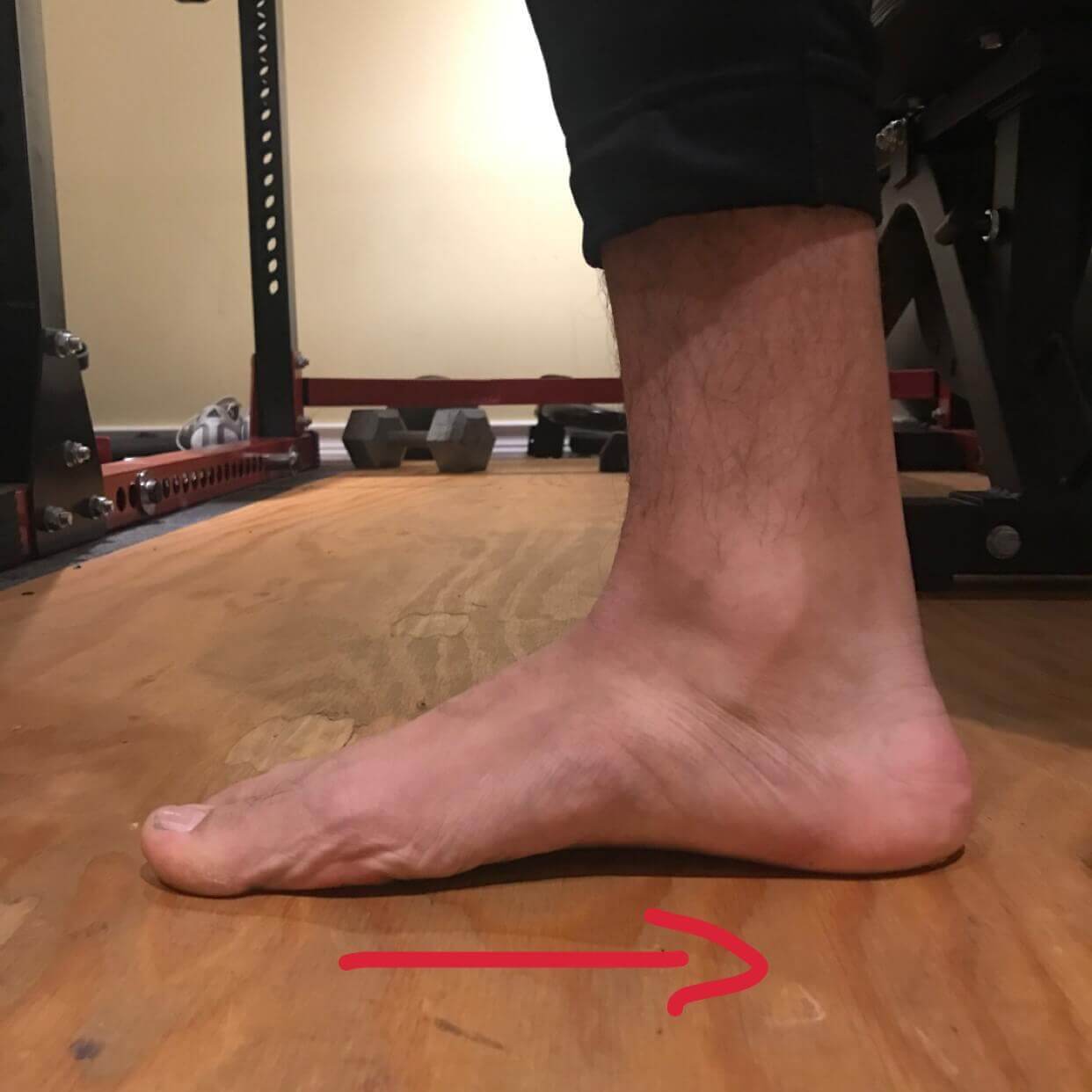
The feet and glutes work together to make sure that your lower half stay aligned. To properly activate your big toe, drive it into the ground, do not let the ball of your foot come off the ground. This will cause the foot to roll to the outside. Instead learn to activate your arch and lower leg to lift your arch upward and drag your forefoot and big toe back toward the heel maintaining contact with the ground.
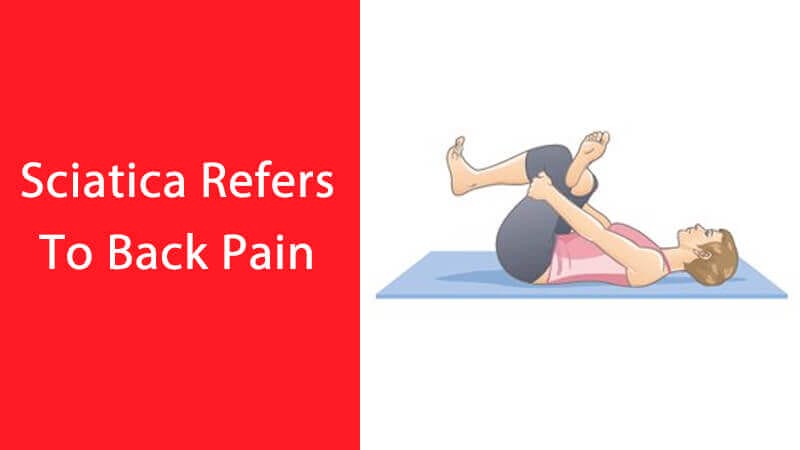
Sciatica refers to back pain caused by a problem with the sciatic nerve. This is a large nerve that runs from the lower back down the back of each leg. When something injures or puts pressure on the sciatic nerve, it can cause pain in the lower back that spreads to the hip, buttocks, and leg. There are steps you can take at home to ease the pain of sciatica. A heating pad or ice pack may be especially helpful. Apply the heat or ice for about 20 minutes every two hours. While sciatica is healing, try to remain active. Motion can actually help reduce inflammation and pain. Depending on your medical condition, certain exercises may not be recommended.
Try this: Reclined pidgeon pose will help improve flexibility of the hip and lower back which can give relief to your symptoms. Try going in and out of the stretch like you would an exercise. Try for 3 sets of 10 reps per leg a couple times a day.
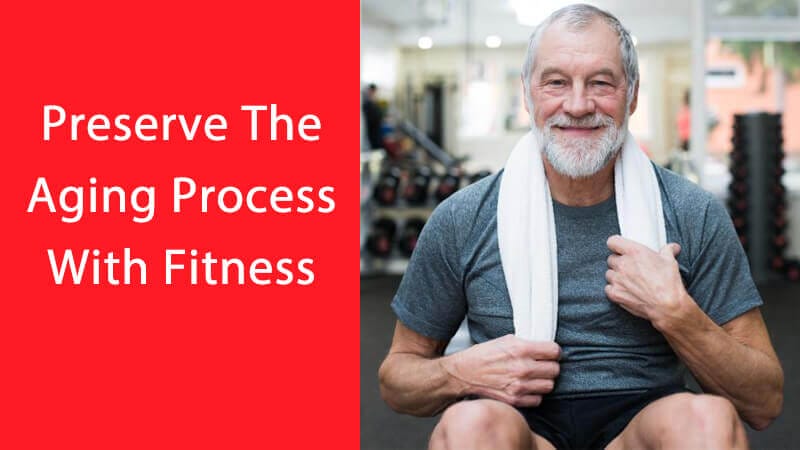
It’s time we open up a topic that not too many of us want to talk about and thats aging! Yes I know, as much as we don’t like to talk about it, its going to happen its inevitable and like my favourite saying, ” there are 3 things we cant hid from in life” and thats Taxes, Death and Fitness, eventually we will break down and get weaker. However there is a way to prevent, prolong and ensure it doesn’t happen that fast. Ive listed a few different methods of exercise that helps different age groups and saved the best one (Strength Training) for last. Hope you enjoy this and if you do, forward it to a friend, co-worker or family member that you feel it can help.
Fitness and Aging
In September we celebrate grandparents, but the truth is we’re all getting older. And with age comes a natural decline in our bodies and our brains. While we can’t stop the clock, there are ways to keep your muscles active and your brain sharp. Exercise has proven to reverse age related declines in our bodies and minds.
First things first if you haven’t reached mid-life yet, maintaining an active lifestyle will ensure you’re able to get out of your chair when you’re 80. Studies have found that age related decline starts earlier than previously thought. At age 50 our balance, strength and endurance are already diminishing. By age 55 studies have found participants that did not engage in regular activity had thinking skills similar to those of a 90-year-old.
Here are few exercises and their anti-aging benefits.
Walking
You don’t need fancy equipment to implement this into a habit. Daily walking at least 30 minutes a day is proven to prevent or manage heart disease, high blood pressure and diabetes. It helps strengthen your muscles and bones and enhances your balance and coordination. If that’s not enough to get you up and moving, walking also helps protect against dementia, peripheral artery disease, depression, colon cancer and even erectile dysfunction. If you’ve reached a point in life where it hurts to move, find every opportunity to take a few steps. Your health improves with every step you take.
Swimming
If you suffer from joint pain jump in and swim. Swimming can help increase flexibility and reduce join inflammation. It’s other anti-aging benefits include lowering blood pressure and cholesterol levels as well as reducing your risk for heart disease and dementia.
Tai Chi
Tai Chi is a strength training exercise that includes a series of flowing movements. The beauty of Tai chi is that regardless of age or physical capabilities it can be done by almost anyone. Tai chi helps build and preserve muscle while focusing the mind. It helps improve bone strength, joint stability, cardiovascular health and emotional well-being. Because it targets leg strength, flexibility, range of motion and reflexes it helps improve balance and reduces the risk of falling, which is a major concern as we age.
Cycling
Research done with 125 amateur cyclists aged 55-79 had more muscle mass, less body fat and lower cholesterol levels compared to the 75 participants who were sedentary during the study. It also showed a younger immune system. The thymus glands that produces key immune cells called T-Cells shrinks at age 20 decreasing T-cell production. This same study found that the amateur cyclists’ bodies were producing just as many T-Cells as a younger person.
Strength Training (the Best of all types of exercise for any body type, any age, any level)
Starting at age 30 our body loses 8-10% of its muscle mass every decade, which also results in a decrease in your metabolism. Strength training using your own body weight or with light weights just twice a week can drastically cut those percentages to only 1-2% a decade. Strength training also decreases the risk of osteoporosis or bone fractures by increasing bone density and strengthening your tendons and ligaments. The improved muscle and bone strength decrease your risk of injury or falling and allows you to be more resistant to general aches and pains.
Despite your age or how you’re feeling it’s never too late to start. Our bodies were created to move so keep them moving. Incorporate cardio and strength training exercises into your daily routine to keep your body and brain young.
Until next time, remember that your ATTITUDE is Everything!
P. S. Hope you enjoyed this tip and dont forget to follow us on Instagram & Facebook by clicking the links below. We want to help everyone improve their fitness!